
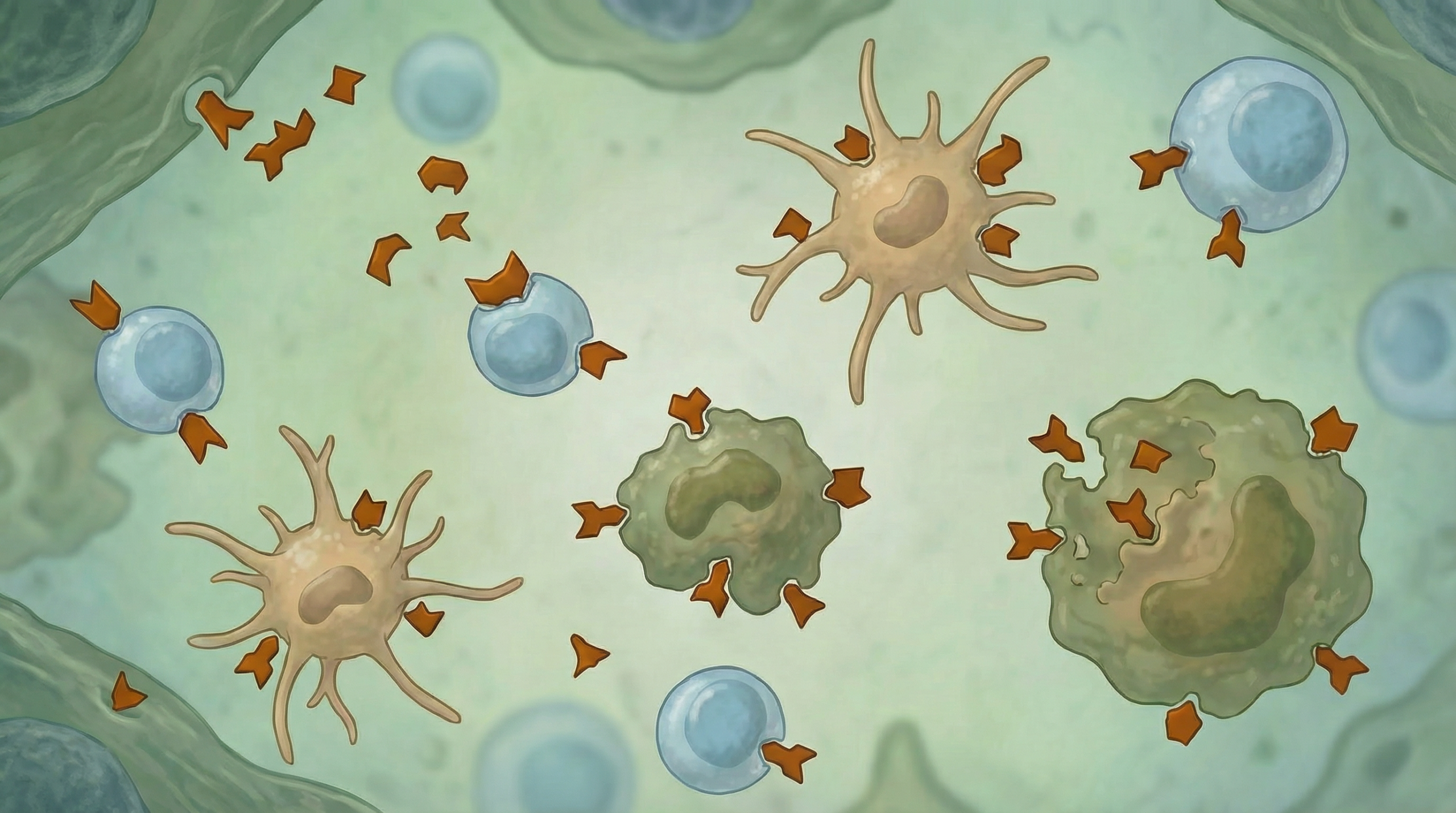
Mycotoxins in general; and AFB1, OTA and DON in particular; can impair immune system. They have a bidirectional immunotoxicity, because they not only inhibit immunity but also stimulate immunity and induce inflammation depending on the situation.
There are many factors affecting immune suppression or promotion, like mycotoxin dose, exposure time, animal species, etc. For example, low-dose or short-term mycotoxin exposure induces inflammation (increase cytokines, chemokine, interleukins and TNF-α production), while high-dose or long-term mycotoxin exposure results in immunosuppression (increase apoptosis of immune cells). The bidirectional immunotoxicity mechanism of mycotoxins is involved in the oxidative stress, apoptosis, and autophagy of some immune cells and some immunity-related signals. These immune cells include lymphocytes, dendritic cells, T cells, B cells and monocytes.
Moreover, exposure to these mycotoxins can affect the infection severity of bacteria, viruses, and parasites. Their modes of action include three aspects:
- Mycotoxin exposure directly promotes the proliferation of pathogenic microorganisms, especially viruses. For example, AFB1 can promote swine influence virus (SIV) replication. And in the other way, viruses can exacerbate the toxicity of mycotoxins. For example, PRRSV infection can exacerbate the anorectic effect of high levels of DON exposure.
- Mycotoxins destroy the integrity of the mucosal barrier, and promote inflammatory response, thereby increasing the susceptibility of the host. Also, some mycotoxins, like OTA, can decrease the diversity of gut microbiota. When the balance of intestinal flora is broken, exogenous pathogenic microorganisms adhere to the intestinal mucosa, causing a series of intestinal diseases, including diarrhea and even enteritis.
- Mycotoxins reduce the activity of some specific immune cells and induce immunosuppression, resulting in reduced host resistance, as explained before.
Mycotoxin exposure is of great significance to microbial infection. It is essential to increase the awareness that mycotoxin contamination may increase infectious diseases. This information encourage us to promote the feasibility of prevention and control of mycotoxin contaminations to reduce its harm on animal’s health.
Reference: Sun Y, Song Y, Long M and Yang S. Immunotoxicity of Three Environmental Mycotoxins and Their Risks of Increasing Pathogen Infections. Toxins 2023, 15, 187. https://doi.org/10.3390/toxins15030187 https://doi.org/10.3390/toxins15030187